What Nonprofits Get Wrong About Donor Communication
Most donor messages read like receipts, not relationships. Here is why that happens and what a donor-centered, brand-consistent fix actually looks like.

TL;DR: Most nonprofits lose repeat donors not because their mission falls short, but because their communication treats donors like transactions instead of partners. The fixes are small: center the donor's impact, stop blasting the same message to everyone, thank more than you ask, and keep your voice consistent across every touchpoint.
Nonprofit teams pour real care into their programs, then send donor communication that reads like it was written by a different, more distracted organization. A thank-you that doubles as a tax receipt. An appeal that opens with "We are excited to announce" instead of anything about the donor. A newsletter blasted identically to a first-time giver and a ten-year recurring supporter. None of it is malicious. It almost always comes down to a small, overworked team doing its best with limited time, and donor communication quietly becoming the thing that gets written last and reviewed least.
The result is a pattern donors feel even when they cannot name it: they gave, they got a form response, and the relationship never actually started. Here is what is usually going wrong, and what a more donor-centered, consistently branded approach looks like instead.
Why Donor Communication Quietly Fails Even Well-Meaning Teams
Most nonprofit communication problems are not a strategy failure. They are a bandwidth failure that happens to look like a strategy failure from the outside. When a small team is juggling programs, grant reports, and a fundraising deadline, donor messaging becomes the thing assembled quickly from whatever language is already on hand, usually the organization's own internal updates.
That habit produces messages that read like receipts: confirming that something happened, with little warmth and no clear throughline back to the donor who made it possible. Donors do not consciously audit your communication strategy. They just notice, cumulatively, whether a relationship feels real or whether it feels like a mailing list.
Mistake 1: Making the Message About the Organization, Not the Donor
The most common pattern is an appeal or update that opens with what the organization did, is doing, or plans to do, and only mentions the donor in passing, if at all. "We served 400 families this year" is an organizational fact. "Because of your gift, 400 families had groceries this month" is a donor-centered one, and it is a one-sentence rewrite away from the first.
The fix is a simple before-and-after test: read your draft and count how many sentences start with "we" versus how many start with "you" or put the donor's impact first. A message that is almost entirely about the organization's activities, with the donor as an afterthought, will feel like a newsletter. A message built around what the donor made possible will feel like a relationship.
Mistake 2: Sending the Same Message to Every Donor
A first-time donor, a five-year recurring donor, and someone who gave once and went quiet all need a different message, and most small nonprofits send them the exact same one. You do not need an expensive donor-management platform to fix this. A basic spreadsheet split into three lists, new donors, recurring donors, and lapsed donors, is enough to write three short, more relevant versions of the same update instead of one generic blast.
A new donor needs welcome and reassurance that their gift mattered. A recurring donor needs to feel seen for their ongoing commitment, not just thanked like a first-timer. A lapsed donor needs a specific, low-pressure reason to come back, not the same appeal everyone else received.
Mistake 3: Asking Often and Thanking Rarely
When every piece of donor communication that arrives is an ask, donors start to feel like an ATM rather than a partner, and they stop opening your emails before you ever stop sending them. The relationship becomes one-directional: the organization reaches out when it needs something, and silence fills every gap in between.
The fix is a ratio, not a rulebook. For every direct ask a donor receives, they should get at least one or two messages that simply share impact, tell a story, or say thank you with nothing attached. A thank-you is not a receipt confirming the transaction. It is a short, specific note about what that donor's gift actually made possible, sent close to the moment they gave, before the next ask ever shows up in their inbox.
Mistake 4: Letting the Brand Voice Shift With Every Email
This is the mistake that rarely makes anyone's donor-communication checklist, and it is one of the most fixable. A donor who receives a formal, jargon-heavy appeal letter, then a casual, emoji-filled social caption, then a stiff, templated thank-you email, all within the same month, is absorbing three different personalities from the same organization. None of the individual messages is wrong. Together, they read as inconsistency, and inconsistency quietly erodes the sense that this is a careful, trustworthy organization.
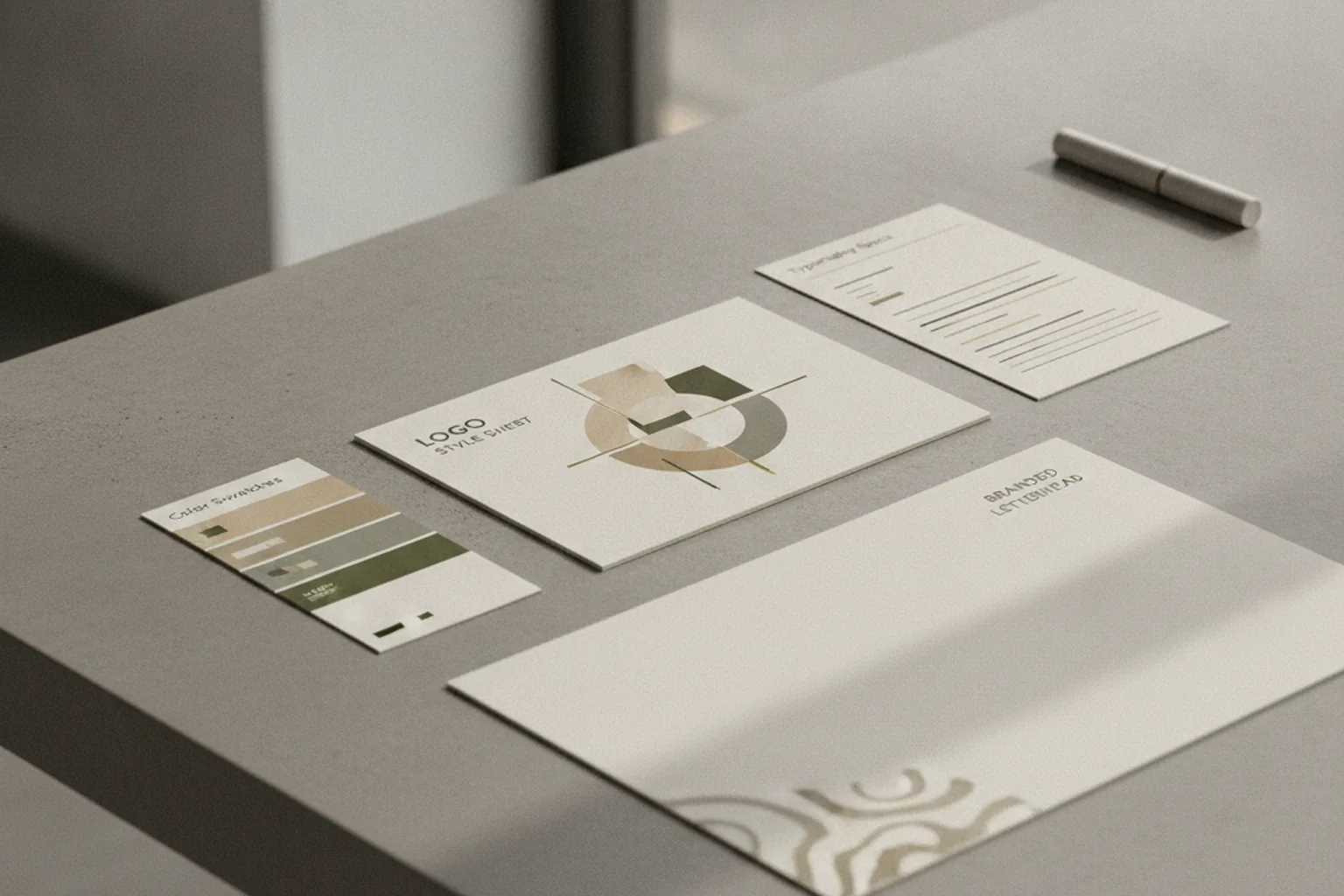
This is exactly the gap a brand style guide closes. A short reference document covering your organization's voice and tone, specific enough to answer "should this sound formal or warm" without a meeting, keeps every appeal, thank-you, and social post sounding like it came from the same team, even when three different staff members or volunteers wrote them. Nonprofits are not exempt from this discipline just because they are mission-driven rather than commercial; if anything, donor trust depends on it more.
Mistake 5: Telling the Same Success Story on Repeat
Reusing a strong story once is efficient. Reusing it every newsletter for two years is a sign the organization is not capturing new moments, and donors who have followed you for a while will notice the repetition before you do. Stale storytelling signals a program that has stopped generating anything new to report, even when that is not actually true.
The fix does not require a full-time storyteller. Keep a simple running list, even a shared document, of small moments worth capturing as they happen: a volunteer's comment, a program milestone, a single family's specific outcome. Rotate which angle you lead with each quarter: a person's story one month, a measurable result the next, a behind-the-scenes look after that. A simple rotation cadence is enough to keep updates feeling current without demanding more time than your team actually has.
A Quick Self-Check: Is Your Donor Communication Donor-Centric?
Before your next appeal or update goes out, run it through a few fast questions:
- Does the first sentence mention the donor's impact, or does it open with organizational news?
- Would a first-time donor and a five-year recurring donor receive the exact same message, word for word?
- Has this donor heard from you at least once recently with no ask attached?
- Does the tone match the last three messages this donor received from you, or does it feel like a different organization wrote it?
- Is the story or example in this message one your regular donors have already read before?
- Could you swap your organization's name for a different nonprofit's and have the message still make sense?
A message that fails two or more of these is worth a second look before it goes out.
FAQ: Donor Communication for Small Nonprofit Teams
How often should a nonprofit communicate with donors?
There is no single magic number, but most donors should hear from you at least once a month, and not every message should be an ask. A healthy rhythm mixes impact updates, a prompt thank-you after every gift, and only occasional, well-timed appeals.
What's the difference between a thank-you and a receipt?
A receipt confirms a transaction happened and exists for tax purposes. A thank-you tells the donor what their specific gift made possible and how it connects to a real person or outcome. Sending only the receipt, with no separate thank-you, is one of the fastest ways to make a donor feel like a line item.
Do small nonprofits need to segment their donor list?
Yes, but it does not require a CRM platform to start. Even a simple spreadsheet split into new donors, recurring donors, and lapsed donors lets you send three different, more relevant messages instead of one generic blast to everyone.
How do you keep donor communication personal without a big team?
Focus your limited time on the moments that matter most: the first thank-you after someone's initial gift, and a personal note when a recurring donor hits a milestone. A short, specific message to a smaller list beats a long, generic one sent to everyone.
What's the biggest mistake nonprofits make with recurring donors?
Treating them like they are already won. Recurring donors still need to be thanked, updated on impact, and occasionally told specifically how their ongoing support compares to a one-time gift, or they will quietly cancel without ever complaining first.
Should every donor email ask for a gift?
No. A good rule of thumb is that most of your touchpoints should build the relationship, sharing impact, telling a story, saying thank you, with only a minority asking directly for money. Donors who only hear from you when you need something start to dread your emails.
How does brand consistency affect donor trust?
A donor who gets a formal appeal letter, a casual social post, and a stiff thank-you email in the same week, all in different voices, starts to wonder whether the organization behind them is as careful with its programs as it is inconsistent with its messaging. Consistent tone signals that someone is paying attention.
Where to Start This Week
You do not need to rebuild your entire donor communication plan this month. Pick one thing: rewrite your next thank-you so it names a specific impact instead of confirming a transaction, split your list into three simple segments before your next update, or write down three voice and tone notes so the next person who drafts an appeal sounds like the same organization that sent the last one. Small, consistent fixes compound faster than a full strategy overhaul nobody has time to execute.
If your team wants a second set of eyes on donor messaging, your brand voice, or how the two connect, book a free consultation and we will walk through what is actually landing with your supporters and what might be quietly pushing them away.
Ready to put this into practice?
Book a free consultation and we will help you turn these ideas into a plan.