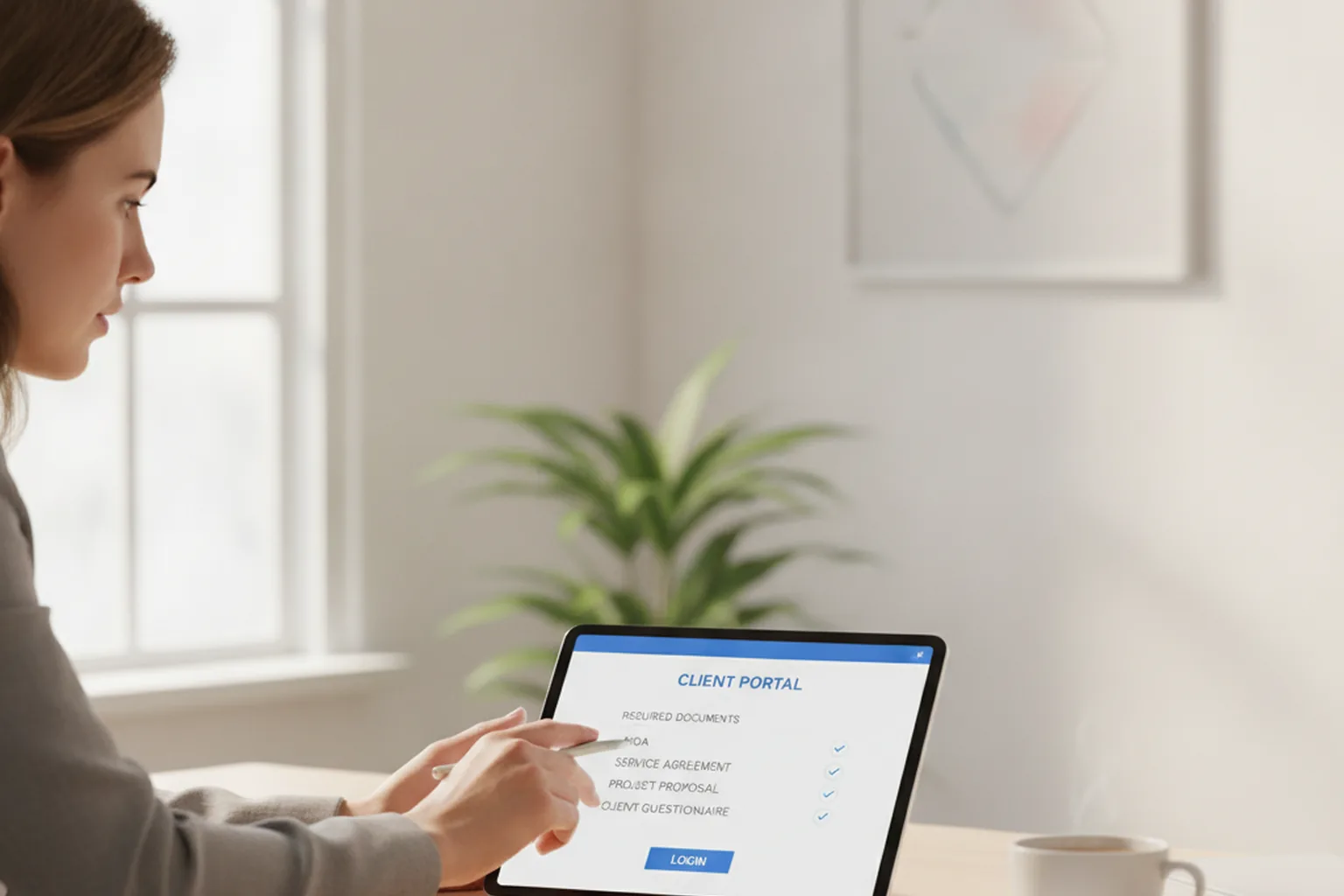
Does Your Nonprofit Need a Donor Portal? A Buy-vs-Build Guide
Every fundraising-software vendor wants to sell you a portal. Here's the question that actually comes first: does your org need one yet, and if so, should you buy one or build a lean version of your own.

TL;DR: Most small and mid-size nonprofits don't need a donor portal until a specific pain point hits, spreadsheet chaos, donors asking whether a recurring gift went through, or staff time lost to manual receipts. Once you do need one, whether to buy an off-the-shelf platform or build a lean custom version comes down to scale and how well your donor logic fits a generic tool.
What Is a Donor Portal, Exactly?
A donor portal is a secure, logged-in space on your nonprofit's website where a donor can see and manage their own information, giving history, recurring-gift settings, contact details, tax receipts, without emailing your staff to ask for any of it. It's the donor-facing counterpart to whatever CRM or spreadsheet your team already uses internally.
That's a meaningfully different thing from a "Donate" button, which is the only donor-facing feature most nonprofit websites actually have. A donate button handles the moment of giving. A portal handles everything that comes after: the donor who wants to confirm a recurring gift went through, update an expired card, or pull a receipt for taxes without waiting on a reply. Getting that after-the-gift layer right is increasingly a software problem as much as a fundraising one, which is why orgs past a certain size start talking to a dedicated SaaS development partner rather than trying to bolt self-service onto a brochure site.
Does Your Nonprofit Actually Need One Yet?
A handful of concrete signals tell you whether a portal is solving a real problem or just sounding impressive in a board meeting. Watch for these:
- Recurring-gift volume is growing, and so is the number of "did my gift go through?" emails that come with it.
- Staff are spending real time each week manually re-sending receipts or updating payment info on a donor's behalf.
- Donors have directly asked for a way to manage their own giving, update their card, or check their history without calling.
- Your donor records live in a spreadsheet that's starting to outgrow what one or two people can keep accurate.
If none of those are true yet, say so plainly: you probably don't need a portal. An early-stage nonprofit with a few dozen donors gets more value from a cleaner donate page and a well-run newsletter than from self-service infrastructure nobody is asking for yet. A portal built ahead of real demand is a tool nobody logs into.
What a Good Donor Portal Actually Does
When the signals above line up, a donor portal earns its keep by handling a short list of jobs well rather than trying to do everything:
- Self-serve giving history, so a donor can see every past gift without asking staff to pull records.
- Recurring-gift management, including updating or pausing a monthly commitment.
- Payment and contact info updates, handled by the donor directly.
- Tax-receipt downloads, available on demand instead of by request.
- Light reporting on the staff side, so your team can see adoption and activity without a separate tool.
That last item matters more than vendor pages usually admit. Portal usage data is a quiet lever against donor churn: a lapsed recurring gift, or a donor who hasn't logged in after months of activity, is an early warning sign you can act on before the relationship goes cold. A portal that only serves donors and tells your team nothing leaves half its value on the table.
Buy an Off-the-Shelf Platform, or Build a Lean Custom One?
This is the decision most donor-portal content skips entirely, because most of it is written by vendors selling one side of it. Fundraising-CRM portals in the givecloud, donorperfect, and charityengine category get you live fast, usually with built-in receipt generation and payment processing, for a predictable monthly or per-seat fee. For a nonprofit whose donor structure is fairly generic, that's a legitimate, often correct choice.
The cracks show up once your structure stops being generic. Donor tiers, volunteer-hour tracking, event sign-ups layered on top of giving history, these are exactly the kind of organization-specific logic that a one-size-fits-all SaaS object model handles poorly, forcing your process to bend around the software instead of the other way around. That's the point at which a lean custom build, scoped narrowly, usually costs less over a few years than stacking per-seat fees on a tool that half-fits.
Either path only pays off if donors use it. A portal nobody logs into is wasted spend regardless of which side of buy-vs-build you chose. The fix is a phased rollout: start with your highest-value recurring donors, give them a short walkthrough at signup, and expand from there, rather than announcing the portal to your entire list at once.
What Should a Small or Mid-Size Nonprofit Look For?
Whichever direction you lean, a few practical requirements apply regardless of vendor or build decision. The portal should integrate with the CRM or database you already use, not require a full re-platform just to turn it on. It needs role-based access, so a donor can only ever see their own record, and an audit trail of who accessed what and when. And it shouldn't demand months of setup before a single donor sees any value, a portal that takes longer to launch than it took your org to outgrow the spreadsheet has already lost the argument for urgency.
Frequently Asked Questions
What's the difference between a donor portal and a donor database or CRM?
A donor CRM is for your staff: it stores every donor's history so your team can manage relationships. A donor portal is the donor-facing counterpart, where the donor sees their own giving history or downloads a receipt without emailing staff. Most portals connect to the CRM rather than replacing it.
How much does a donor portal typically cost?
Off-the-shelf fundraising-CRM portals usually run a monthly or per-seat SaaS fee, often starting in the low hundreds a month. A lean custom build typically costs more upfront, often five figures, but has no per-donor ceiling. Treat any number before a real scoping conversation as a placeholder.
Can a small nonprofit really justify a custom-built portal?
Sometimes, but not on day one. It starts making sense once donor logic, tiered giving, volunteer hours, event sign-ups, no longer fits a generic SaaS model, or once per-seat pricing is projected to outgrow a one-time build within a couple of years. Below that, an off-the-shelf tool is almost always the right first move.
What security features does a donor portal need at minimum?
At minimum: encrypted connections (HTTPS/TLS), authenticated logins with a password policy or multi-factor option, role-based access so a donor only ever sees their own data, and an audit trail of who accessed what and when. Whether you buy or build, these are not optional extras to add later.
How long does it take to launch a basic donor portal?
An off-the-shelf platform can be live in days to a few weeks once data is migrated. A narrowly scoped custom build, covering login, giving history, and one core self-service action, typically takes a small team several weeks to a few months. Scope creep, not the technology, is usually what stretches either timeline.
Will donors actually use a portal, or do most still just email?
Adoption follows rollout, not default behavior. Donors who are never told the portal exists, or who are asked to adopt it all at once, mostly keep emailing. A phased rollout that starts with your highest-value recurring donors, with a short walkthrough at signup, is what actually shifts behavior.
Does a donor portal replace email or newsletter donor communication?
No. A portal handles transactional, account-specific tasks, viewing giving history, updating a card, downloading a receipt. Storytelling, impact updates, and relationship-building still belong in your newsletter and outreach. The two serve different jobs and work best together, not as substitutes.
A donor portal is infrastructure, not a feature to check off because a peer organization has one. Get the "do we need this yet" question right first, and the buy-vs-build decision gets much easier to make with confidence. If you're weighing that decision for your own org, we're happy to think it through with you. Book a free consultation and let's figure out what your donors actually need next.
Not sure if your nonprofit needs a portal yet?
Book a free consultation and we will help you figure out whether to buy, build, or wait.